2023
A good start
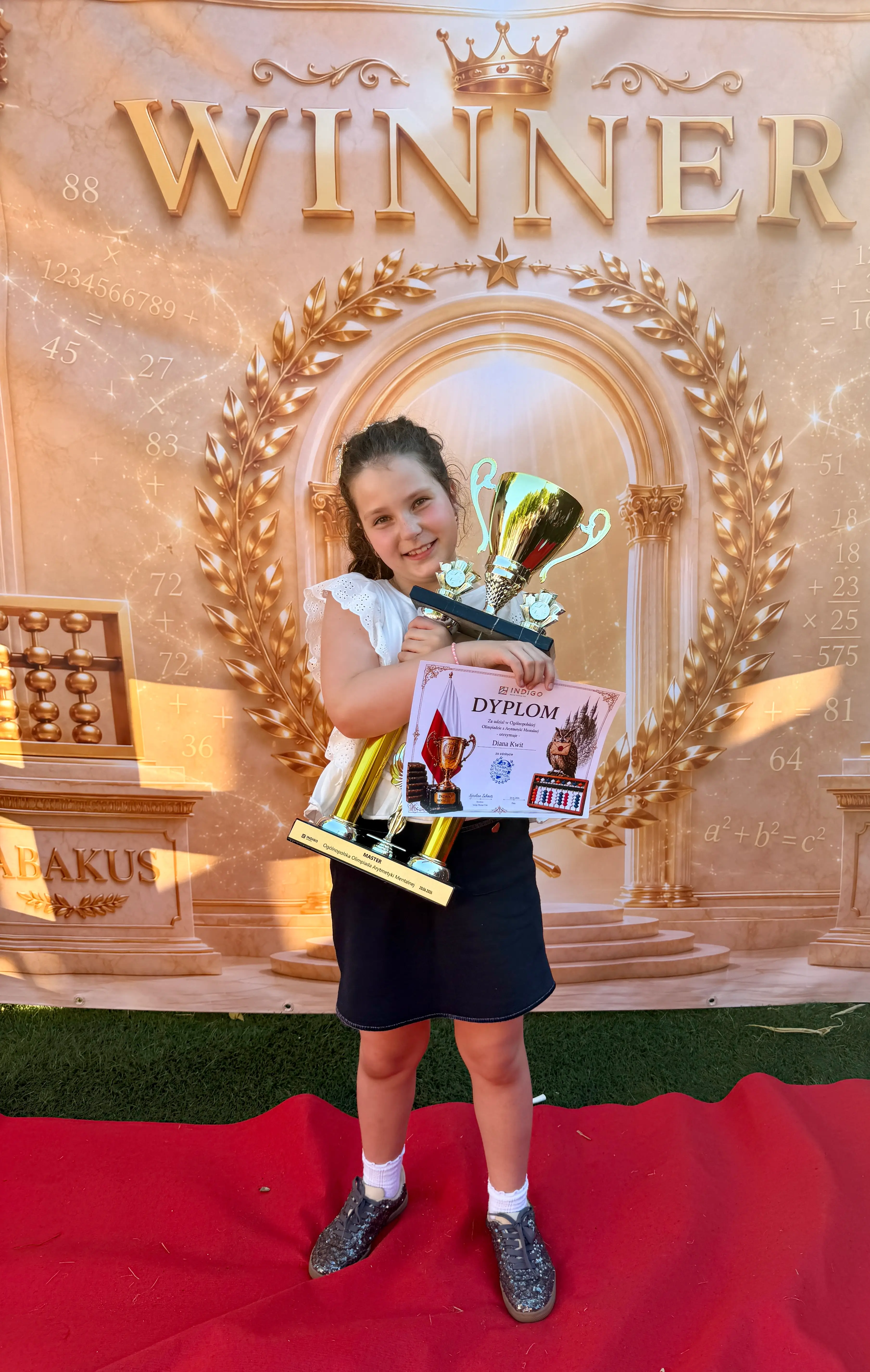
1st place at the National Mental Arithmetic Olympiad.
Practice addition, subtraction, multiplication, division, columns and soroban — online or with PDF worksheets. Created by Diana Kwit and her parents so children can train at their own pace.

"I believe even a short training session can make a big difference if you come back to it regularly. Not everyone starts with great results — what matters most is having a place to calmly return to the next day." — Diana Kwit
For children, parents, teachers and anyone who wants to exercise their mind. All you need is a browser and a few minutes.
Mental calculation helps train attention and memory. Maths becomes enjoyable and interesting.
Choose a mode, set a level and begin. No installation, no accounts, no complicated rules.
Many people would like to try but don't know where to begin. An online platform offers a simple start — no need to search for classes, no stress.
Consistency is the greatest power. I wanted to create a place that is easy to return to even for a short training session.
When you see progress, maths stops being just a task. It can become a challenge, a game and a concentration workout.
Who want to try mental calculation and feel the joy of small victories.
Who want to give their child a simple tool for short, regular practice.
Who want to use quick exercises as a warm-up, variety or extra support.
For those who want to exercise their mind, challenge themselves and develop memory.
On the Faster Than Calculator platform, children can practise mental arithmetic online in several modes: on an interactive soroban, in FLASH mode, in columns and on printable PDF worksheets.
Exercises cover addition, subtraction, multiplication and division. The platform supports both daily mental calculation training and calm repetition of problems on printed worksheets.
The Faster Than Calculator platform also features a Games section — short maths games for kids that support mental arithmetic, concentration and logical thinking.
Choose a mode, set a level and see how your mind performs.
START PRACTISINGI didn't want to list them like a long list of trophies. Each one means many ordinary training sessions, focus and the support of my family.
1st place at the National Mental Arithmetic Olympiad.
National Olympiad Champion, 2nd place at the International Online Olympiad and National Online Olympiad Champion.
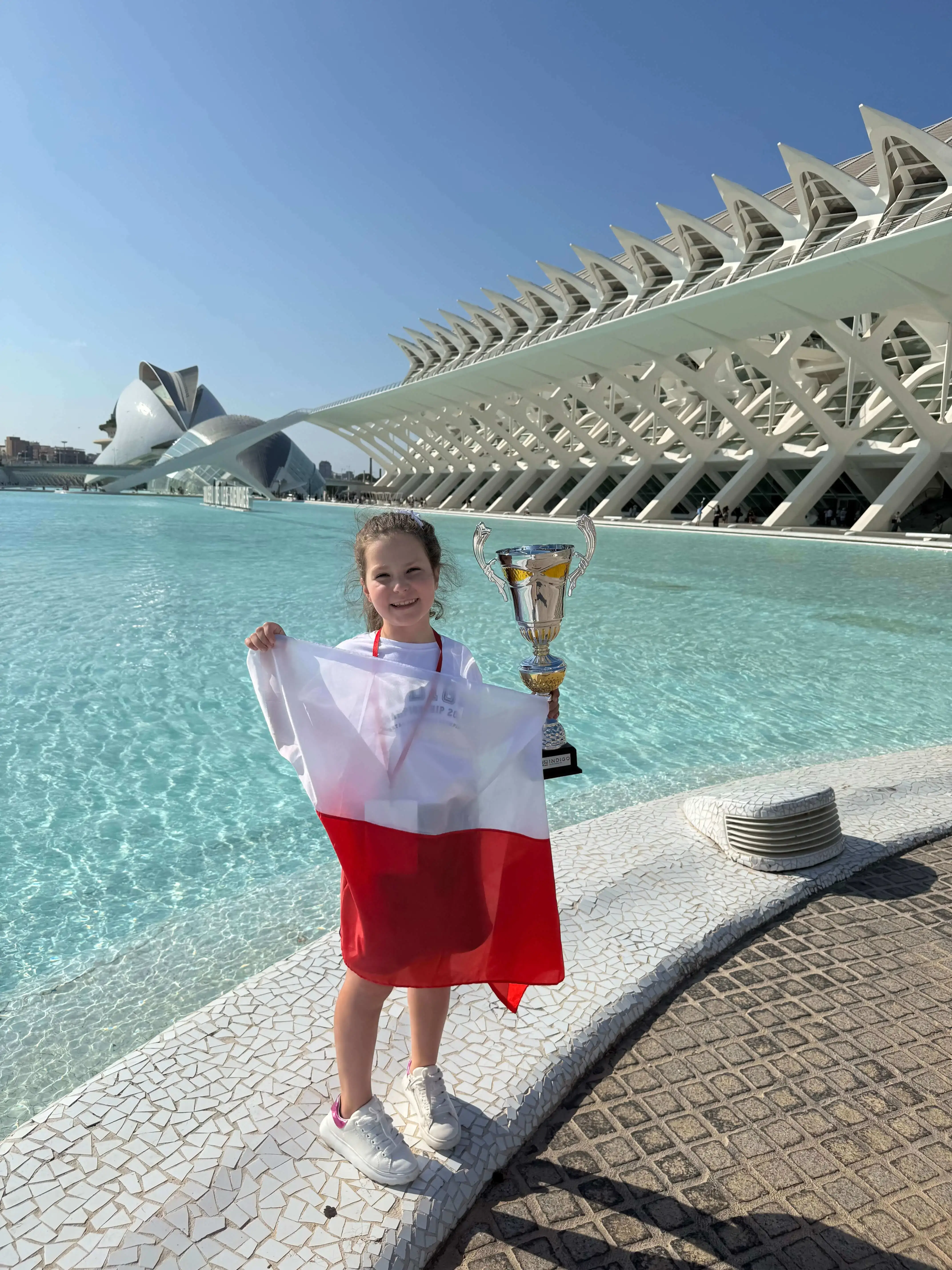
1st places, Online Champion title and Super Champion of the International Mental Arithmetic Olympiad in Valencia.
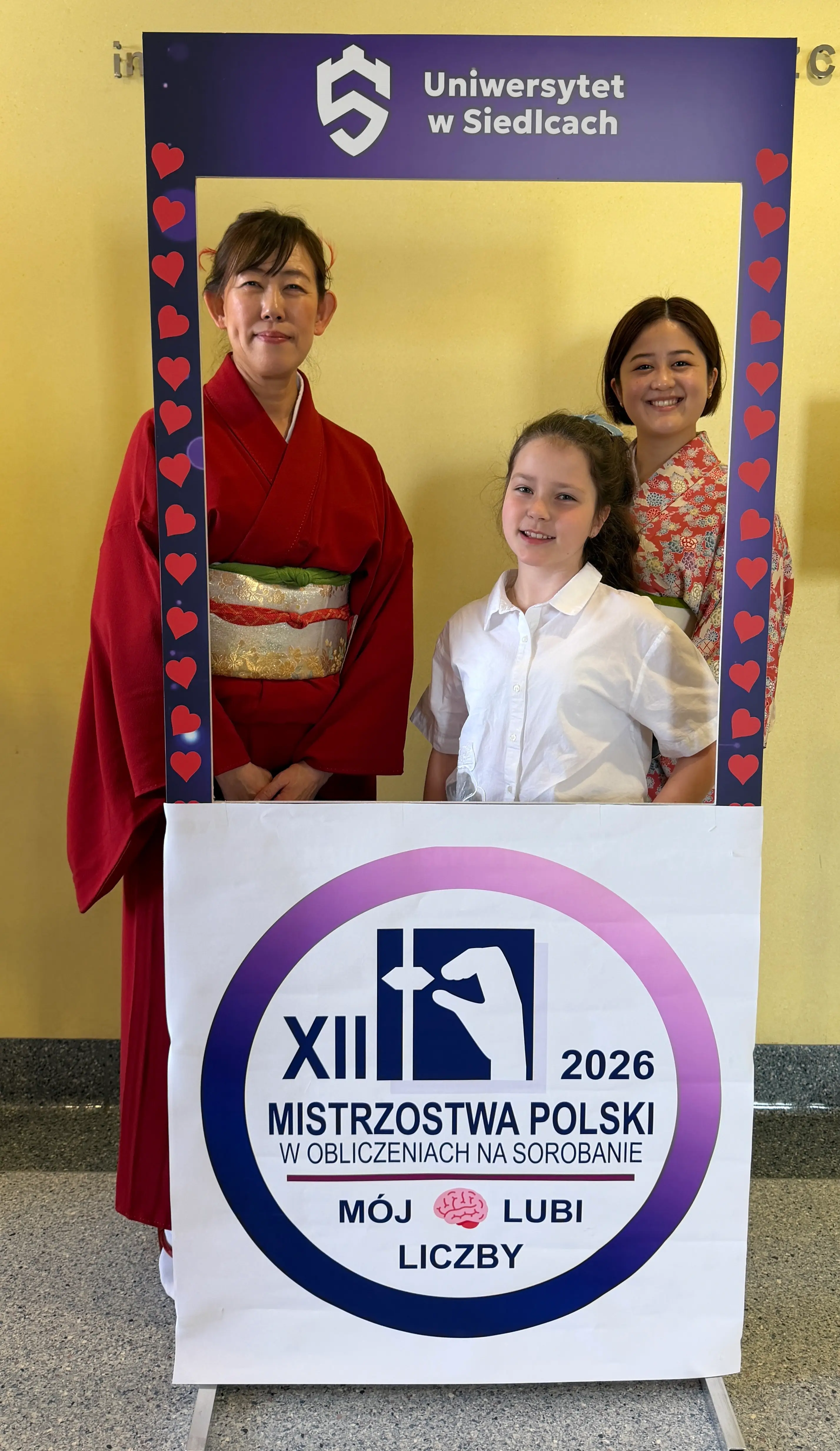
Online Champion, Super Champion in Azerbaijan and Polish Champion in Soroban Calculations.

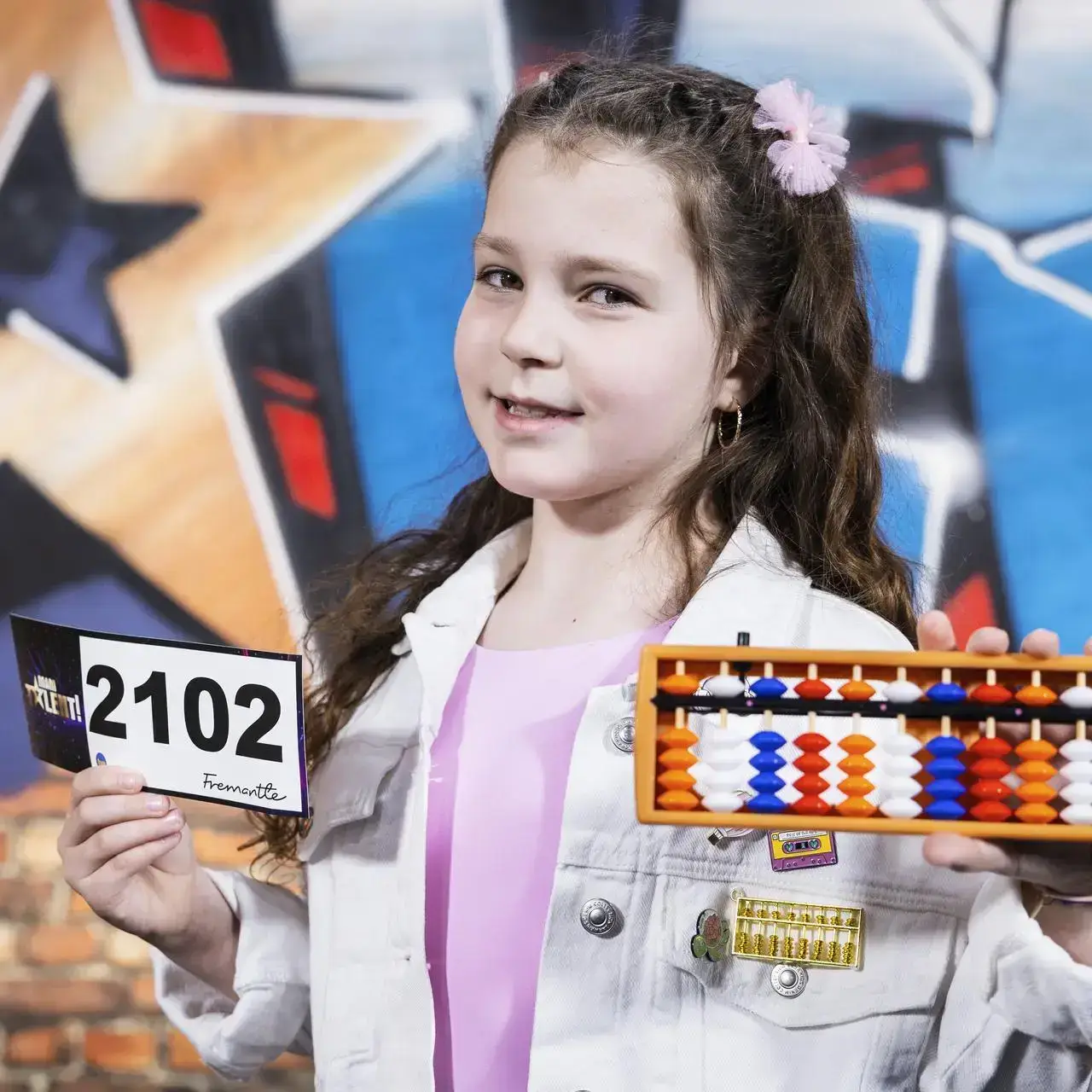
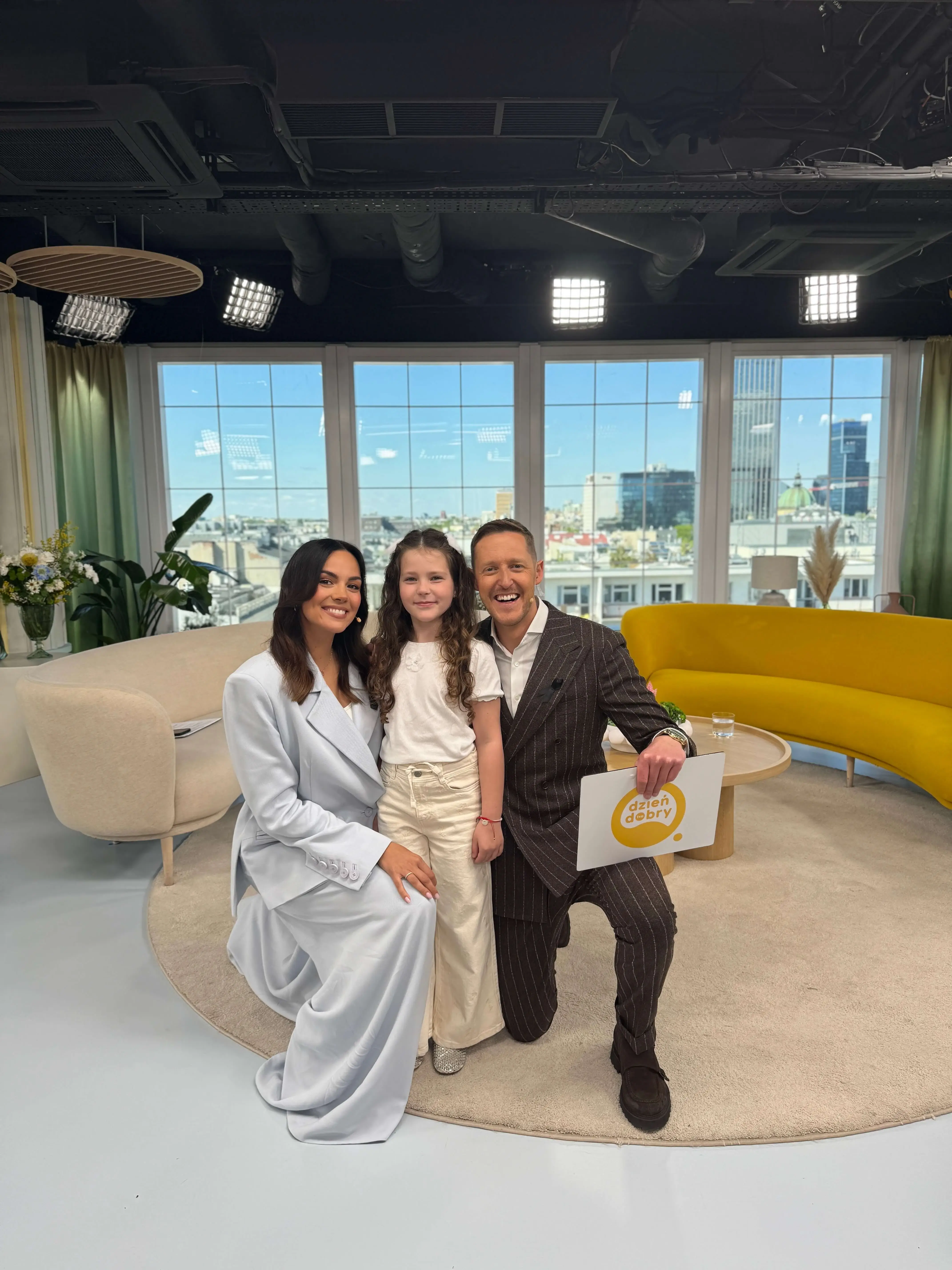
Thanks to mental arithmetic, daily training and my dedication, I experienced things that once seemed very far away. I appeared in TV shows such as Poland's Got Talent, Good Morning TVN and Question for Breakfast, featured in TV commercials and appeared as a guest on the radio.
I am very grateful for that. For me it's not just performances and recordings, but above all a chance to show other children that passion, consistency and the support of loved ones can lead to truly remarkable experiences.
Every trophy and every competition means more than just a result to me. It is many ordinary training sessions, focus and the support of my family. I hope it shows that children can achieve a lot when they have time, a place and tools to practise.
"When I calculate, I try to stay calm and focused. On stage, at the olympiad and during regular training, the most important thing for me is the same: do the best I can." — Diana Kwit
In the 16th edition of Poland's Got Talent I reached 3rd place. It was an enormous stage, full of emotions — a moment I will remember for a long time.
I earned the Super Champion title at an international mental arithmetic olympiad. I am very grateful for it and proud of the work that led there.
I would like more people to see that mental calculation can be interesting, calm and give a great sense of satisfaction.
Behind every good result are many ordinary days. Sometimes training is short, sometimes harder. I created Faster Than Calculator so everyone has a place to practise regularly — at their own pace.
It started with curiosity and a simple question: what will happen if I practise regularly?
Poland's Got Talent taught me courage and calm. It was an enormous performance, but also a beautiful lesson.
The Super Champion title reminds me that systematic work really does matter.
My journey matters to me, but what matters even more is that it might encourage someone else. You don't need to calculate on a stage right away. You don't need to win trophies straight away. It is enough to start, practise regularly and discover that the mind can do more than we think.
For me, numbers are like a rhythm — a calm game of concentration.
When a child has a passion and support, they can do things that beautifully surprise grown-ups.
Every correct answer and every new level can bring a quiet sense of progress.
Even if today you start with simple problems, that is still a very good beginning.
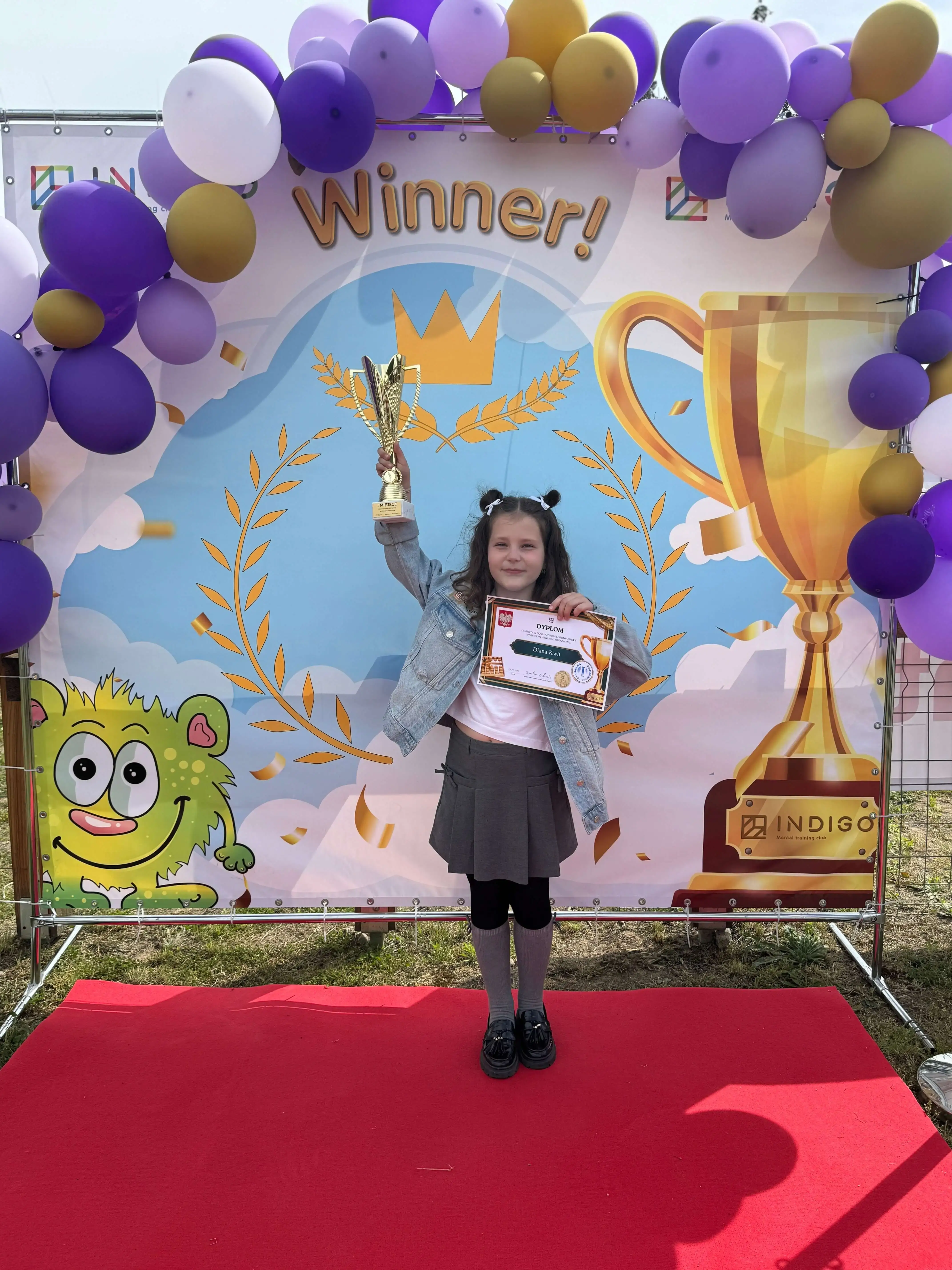
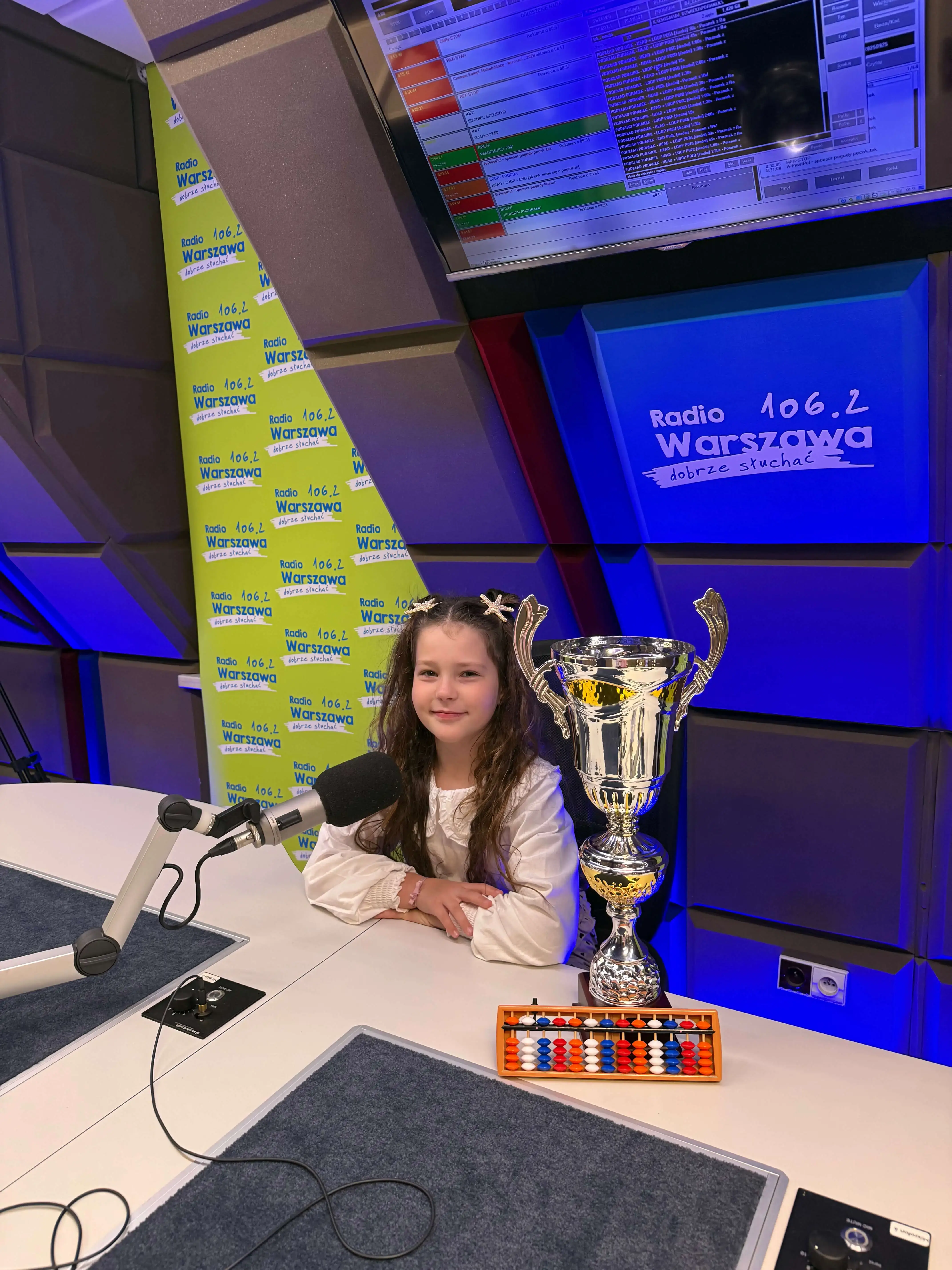
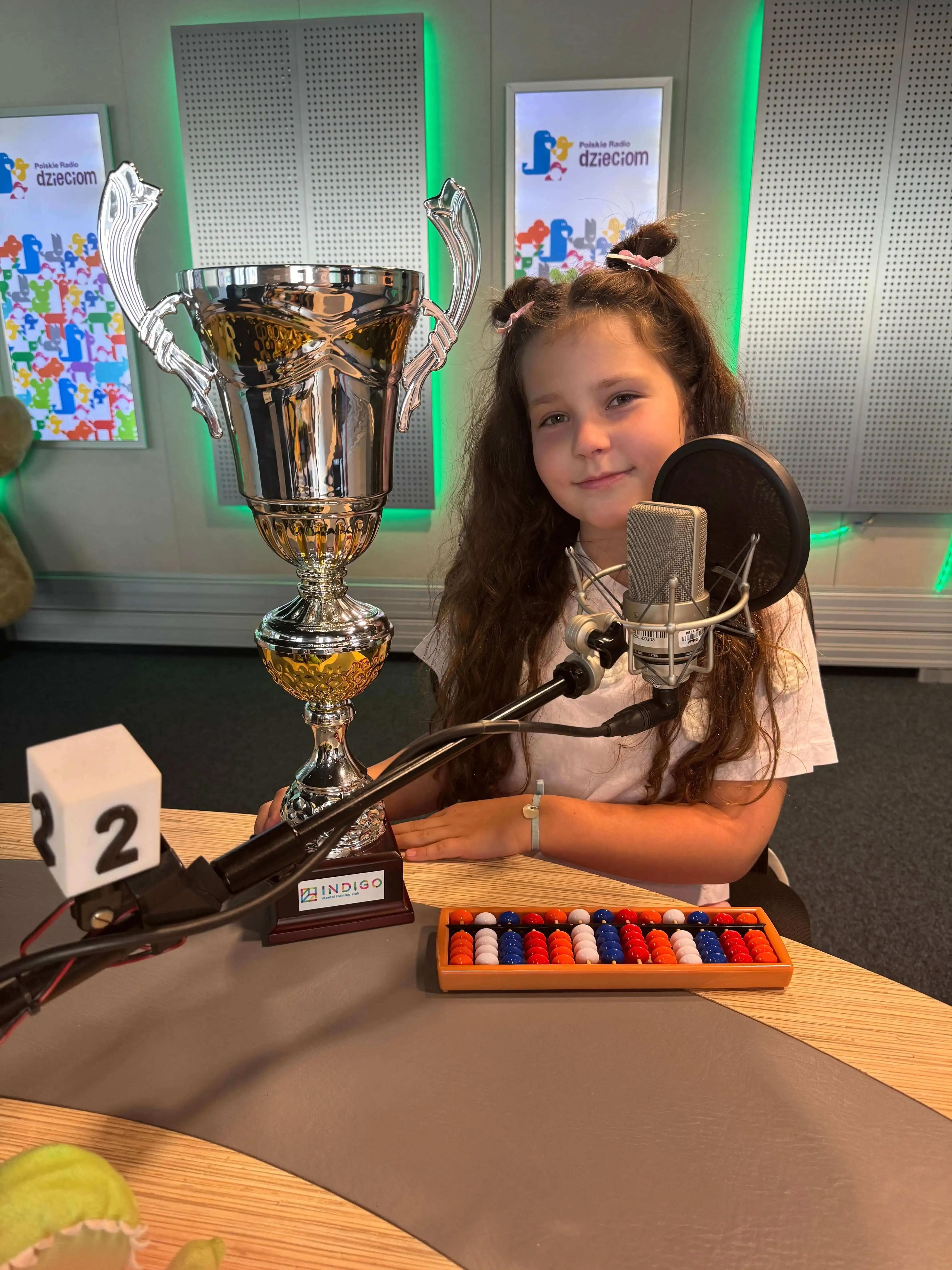
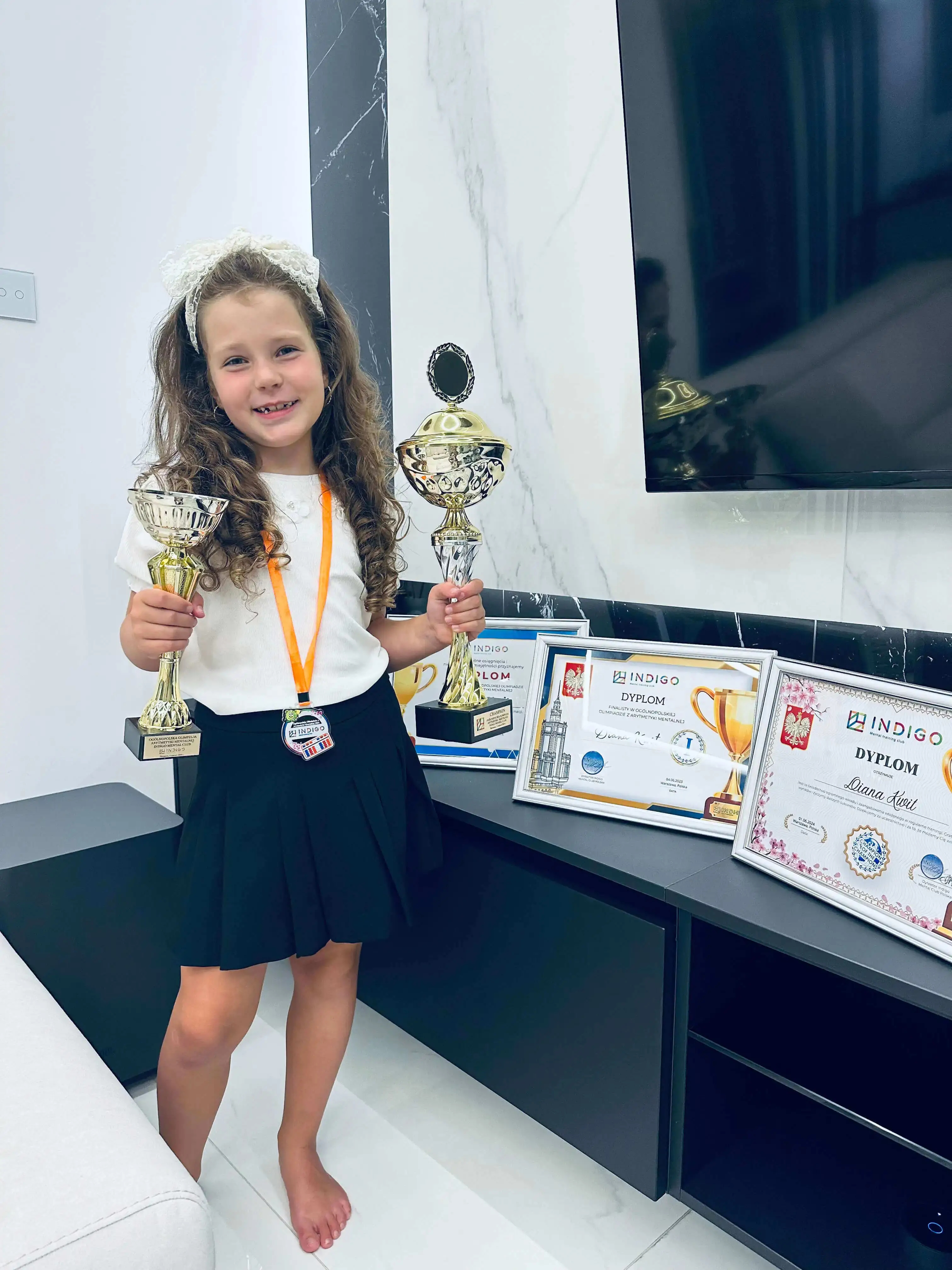
Photos from competitions, TV appearances and olympiads.



Choose a mode, set a level and start calculating mentally. Addition, subtraction, multiplication, division — it's all here.
GO TO PLATFORMA short message is more than enough. We respond to questions about the platform, mental arithmetic training, how the site works, and project development.
Have a question, a suggestion or want to report an issue? Write to us — briefly describe what your message is about.
Send an email biuro@szybszanizkalkulator.plIt will be easiest to help if your message is short and specific.
Choose online training or prepare a PDF worksheet for printing.
Create your own PDF worksheets for practising addition, subtraction, multiplication, division and columns — with or without answers.
Add one or more exercise sections, choose the operation type, difficulty level and number of problems, then generate a ready-to-print worksheet.
The PDF file will be generated in the browser and downloaded automatically.
Choose your preferred way of presenting numbers.
Mathematical games and exercises.
Explore the structure and rules of the Japanese abacus.
Move the beads to see how they represent numbers.
Set this number on the soroban:
Choose the type of operation you want to practise.
Set the range and choose the multipliers you want to train with.
Choose game mode and difficulty level.
The taller the pyramid, the more calculation steps.
Longer challenges for advanced players.
Range of numbers used in the pyramid base.
Medium: numbers in the pyramid base from 1 to 50.
You've reached the very top.
Choose your hero and route settings.

How many steps to the goal.
Number range and equation type.
Medium: numbers 10–99, addition and subtraction. Stays on mistake.
Solve equations and guide your hero to the finish.
Fill in the missing numbers and check that everything adds up!
Choose a grid size and difficulty:
Type the missing numbers into the empty circles.
Fill in the missing numbers so every row and column adds up correctly.
Enter the result and check. Each problem scored separately.
Set maximum values for dividend and divisor. Result is always a whole number.
Enter the result and check. Each problem scored separately.
Set complexity, number of columns and total session time.
Not sure which level to choose? Read about mental arithmetic levels →
Sum each column before time runs out.
Soroban, abacus and mental arithmetic explained simply — for children, parents and teachers.
What is the soroban, the abacus and how do they help with counting?
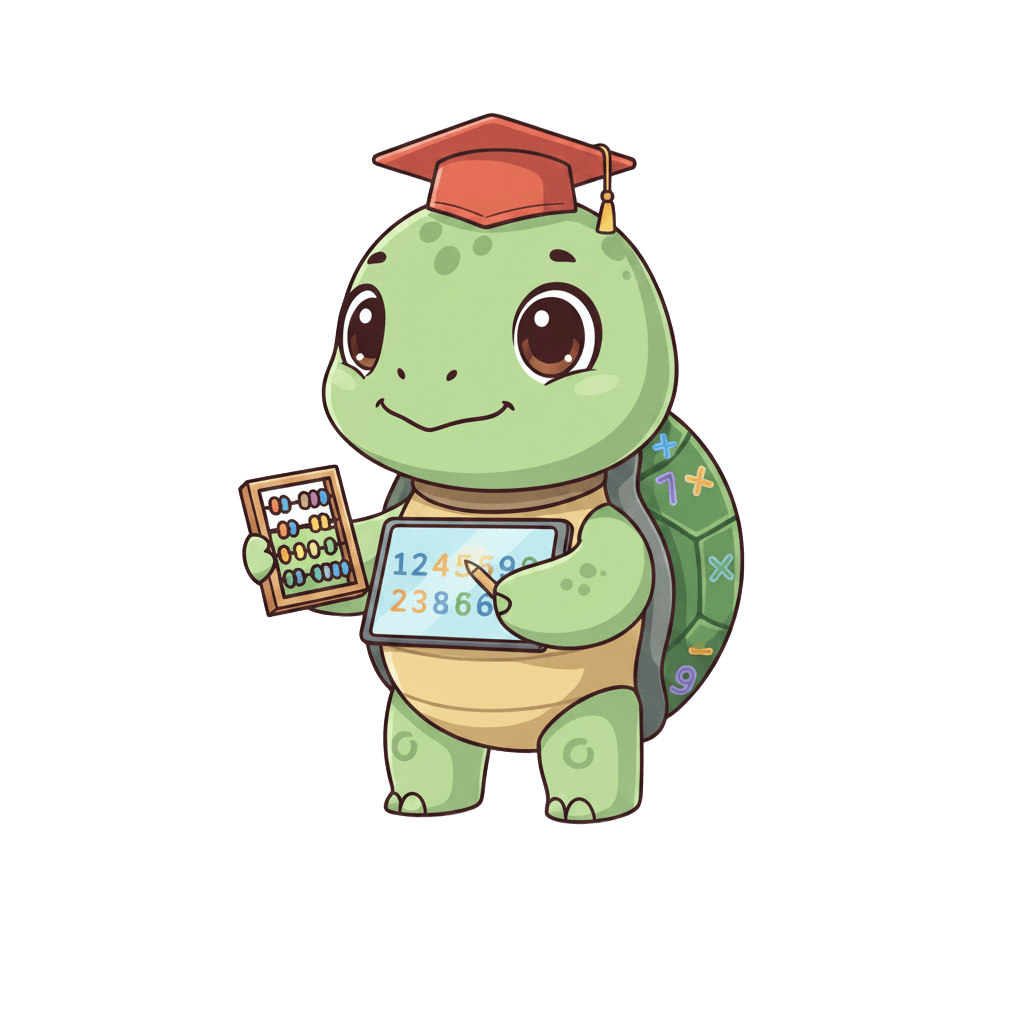
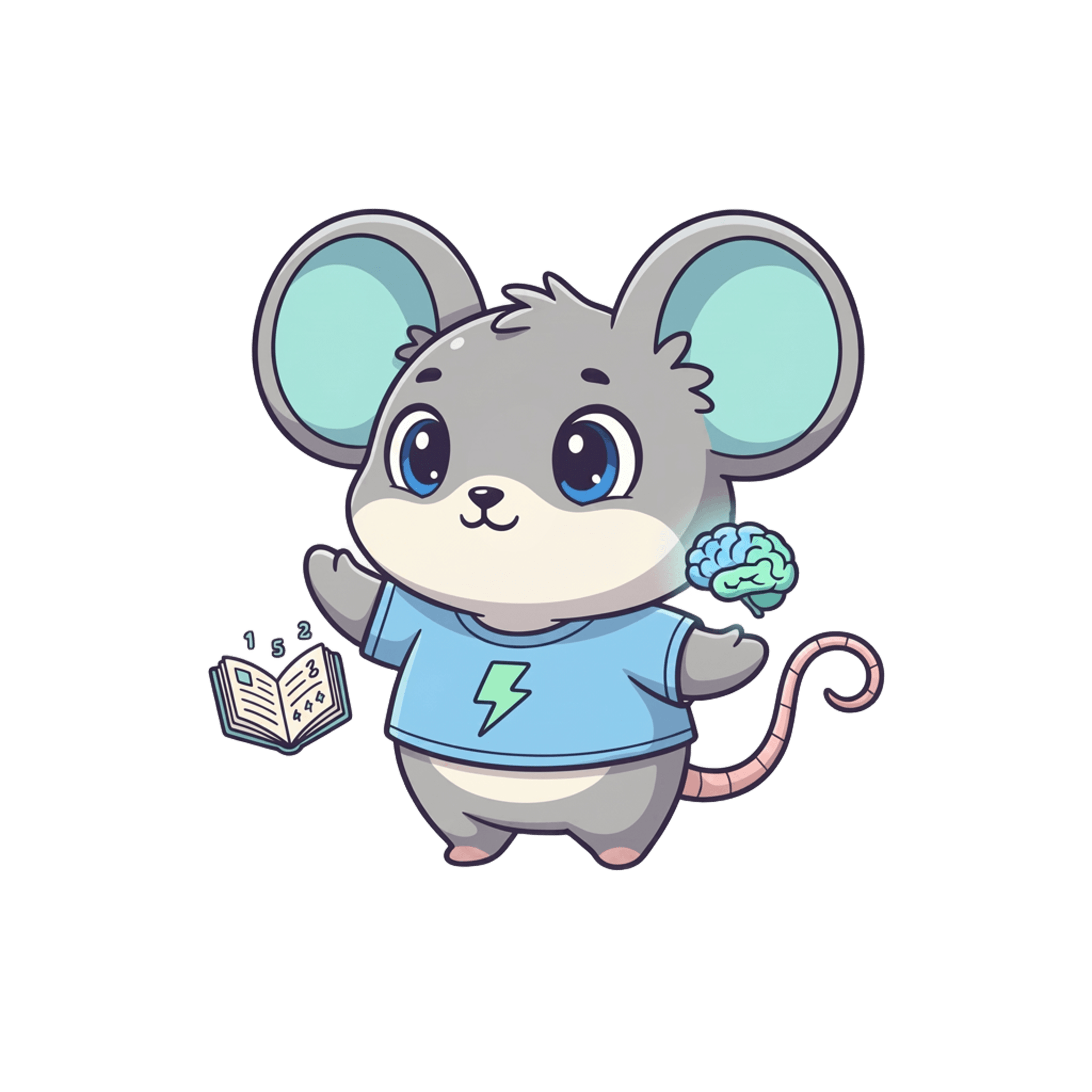
Animal levelsWise Turtle, Quick Mouse, Clever Fox and Brave Lion.
How to practise?FLASH, columns and a short daily training session.
ToolsInteractive soroban and printable PDF worksheets.
Maths gamesPyramid and activities supporting logical calculation.
GuidesPractical articles for parents and children.
A short explanation of what these tools are and why they help children learn to count.
The abacus is the general name for a traditional counting frame, known across many cultures for hundreds of years. The soroban is the Japanese variant of the abacus — a counting tool based on columns of units, tens, hundreds and thousands.
In mental arithmetic a child first learns to move beads on a physical or interactive soroban. Over time they begin to visualise the movement of beads in their head — and that is mental calculation. The soroban helps see a number as an arrangement of beads, not just digits on a page.
The interactive soroban online lets you practise these skills directly in the browser, without needing a physical abacus.
Read more in the guides →The animal levels are not an ordinary difficulty scale. Each level corresponds to a specific stage of abacus learning and a different type of carry during calculation.
No carries through 5 or 10.
24 − 11 + 30
Passing through 5.
4 + 2 = 6
Passing through 10 and to the next column.
8 + 7 = 15
Full operations without restrictions.
56 + 78 − 39The platform offers several modes. Short, regular training gives better results than long and irregular sessions.
Fast numbers one after another.
Calm training for accuracy.
A short session every day.
The platform's two main tools that you can use together or separately.
Move beads directly in the browser. Observe the value of each column and learn to understand numbers through their visual arrangement.
Open soroban →Create your own worksheets for addition, subtraction, multiplication and division. Print for practice at home or school.
Games complement training — they do not replace it. They help practise counting in a more relaxed way.
Fill in missing fields, analyse relationships between numbers and practise addition and subtraction as a puzzle. Develops logical thinking and concentration.
Play Pyramid →The games section is growing. We are planning more short maths exercises that support fast calculation and logical thinking.
Short explanations of how to start learning the soroban, how to practise at home and how to choose the right level.
We explain the difference between the abacus and the soroban and how these tools support children's counting.
The online abacus helps practise counting at home. Short, regular sessions support mental arithmetic.
The exercise generator helps quickly create tasks for training counting and mental arithmetic for children.
A simple home practice plan with the soroban. Short training sessions help develop counting, memory and concentration.
The soroban is the Japanese variant of the abacus, a counting tool used to learn arithmetic. In mental arithmetic the soroban first helps the child calculate on beads, and later to perform calculations mentally.
The abacus is the general name for a counting frame, while the soroban is its Japanese variant. The soroban has a simple structure based on columns of units, tens, hundreds and thousands.
Mental arithmetic means performing calculations in one's head. The child learns to visualise numbers and operations, often based on a mental image of the soroban or abacus.
Passing through 5 means a situation in which the child must use the fives rule. An example is 4 + 2 = 6. The child thinks: I complement to 5 and add the remainder.
Passing through 10 means an operation in which the result moves to the neighbouring column. An example is 8 + 7 = 15. The child learns carrying and complementing to 10.
Regular soroban training can support fast mental calculation, concentration, working memory and a better understanding of number structure.
No. The animal levels correspond to specific stages of abacus learning: operations without carries, passing through 5, passing through 10, and full operations without restrictions.
It is best to start with simple operations without carries — the Wise Turtle level. The child learns basic number understanding and calm step-by-step calculation.
Yes. The platform includes an interactive soroban online where you can move beads in the browser and observe the value of each column.
Yes. The PDF worksheet generator lets you create your own mental arithmetic worksheets for addition, subtraction, multiplication and division.
FLASH mode lets you practise fast mental calculation by displaying numbers one after another. You can set the speed, number of examples and number range.
COLUMNS mode is designed to practise accuracy, concentration and calculation rhythm. Numbers are arranged in columns and the child's task is to work out the result.
Yes. The Faster Than Calculator platform is expanding its Games & Fun section with short maths games supporting mental arithmetic and logical thinking.
The Pyramid is a maths game in which the child fills in missing fields and analyses relationships between numbers. It helps practise addition, subtraction and step-by-step thinking.
No. Maths games complement training. They work best alongside regular sessions: FLASH, columns, soroban and PDF worksheets.